
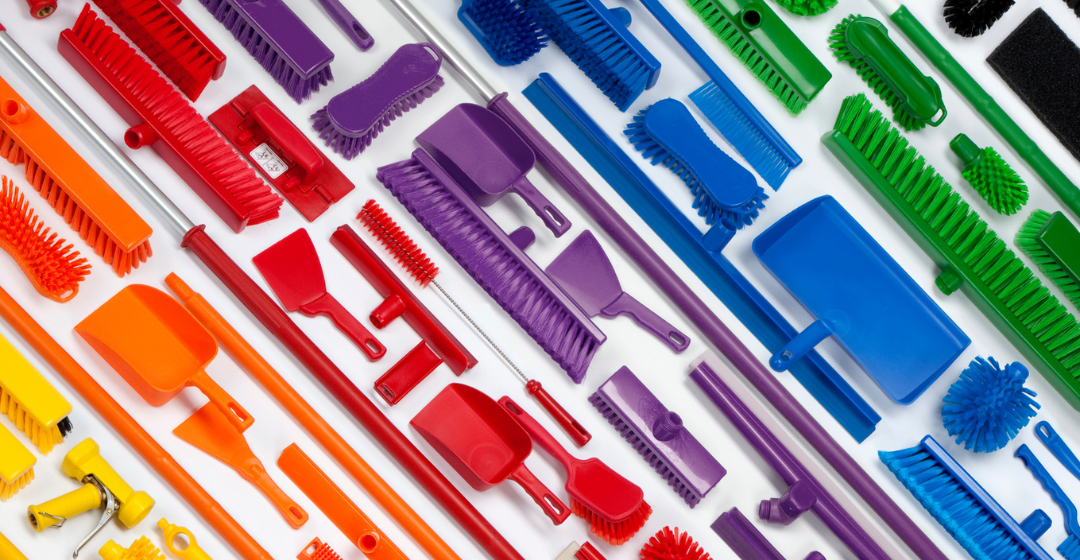
Colour coding in the food industry is one of the most effective practices for ensuring food safety, improving hygiene and optimising production processes. This system, applied to colour-coded cleaning tools in the food industry, allows you to differentiate areas, manage allergens and prevent cross-contamination quickly and visually.
In this article, you will discover 6 key benefits of implementing or reinforcing a colour-coded tool system in your food production plant.
1. Reduced risk of cross-contamination
Assigning specific colours to cleaning utensils and equipment prevents tools from being mixed between areas with different risk levels. This is essential for allergen control and contamination prevention in food production.
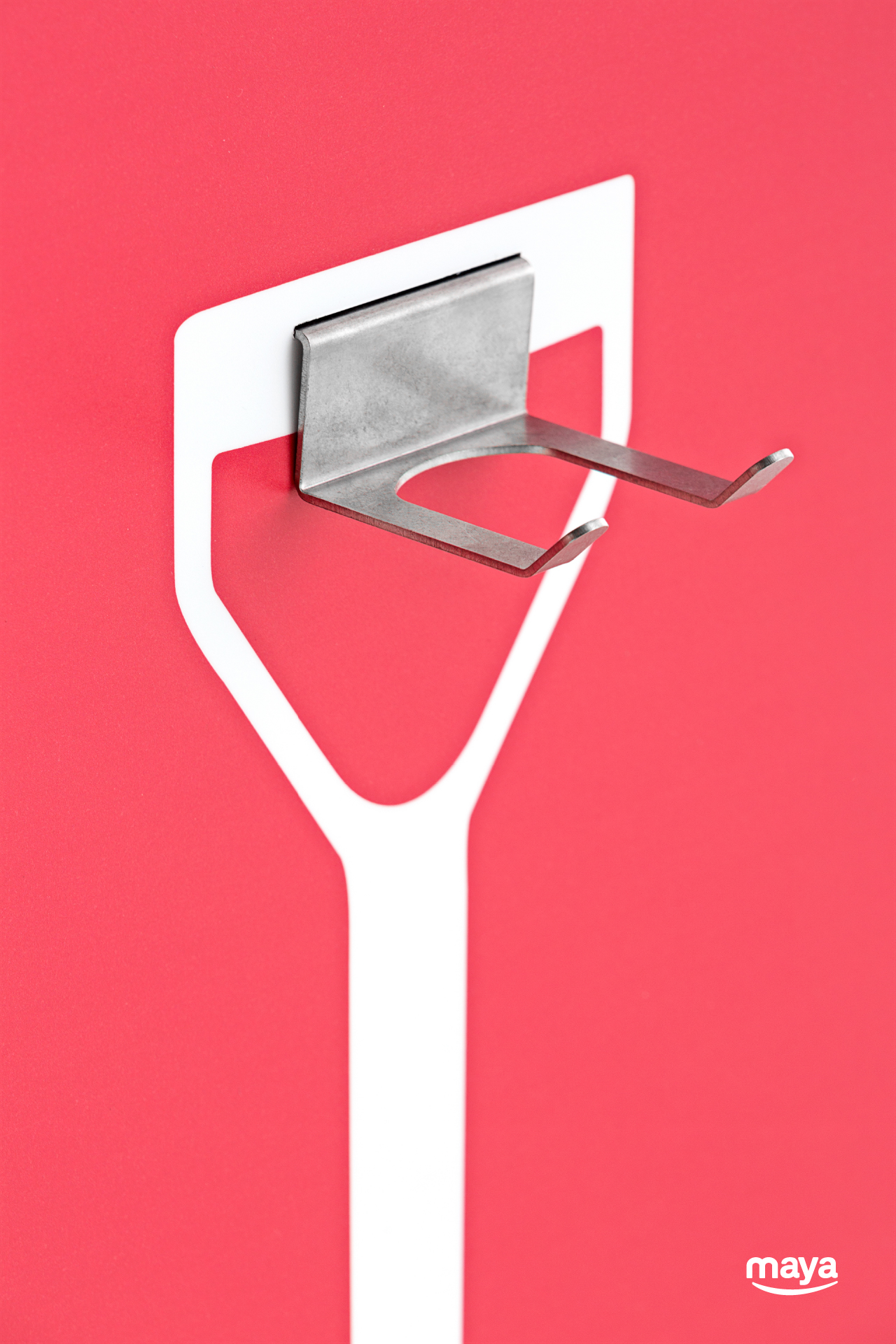
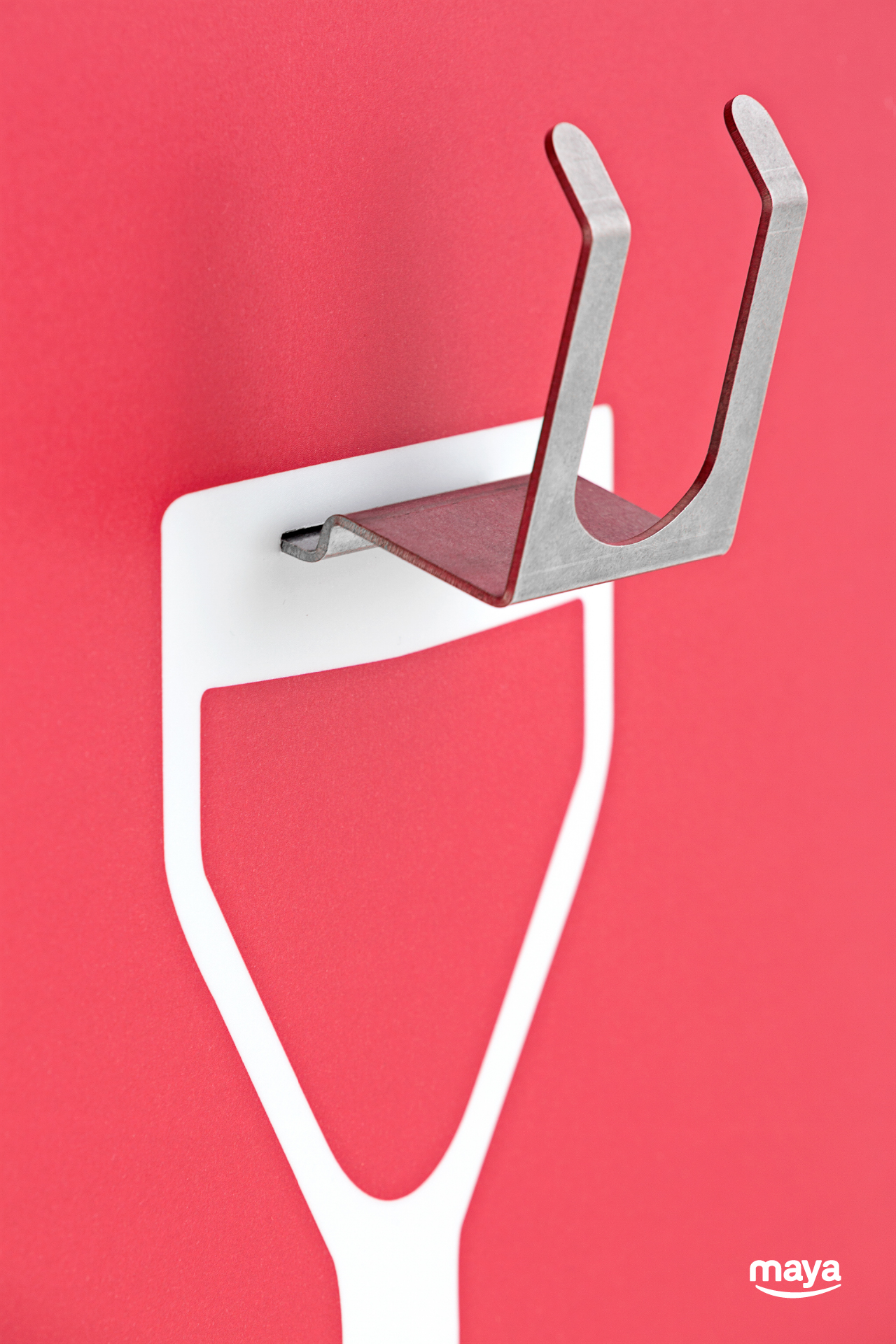
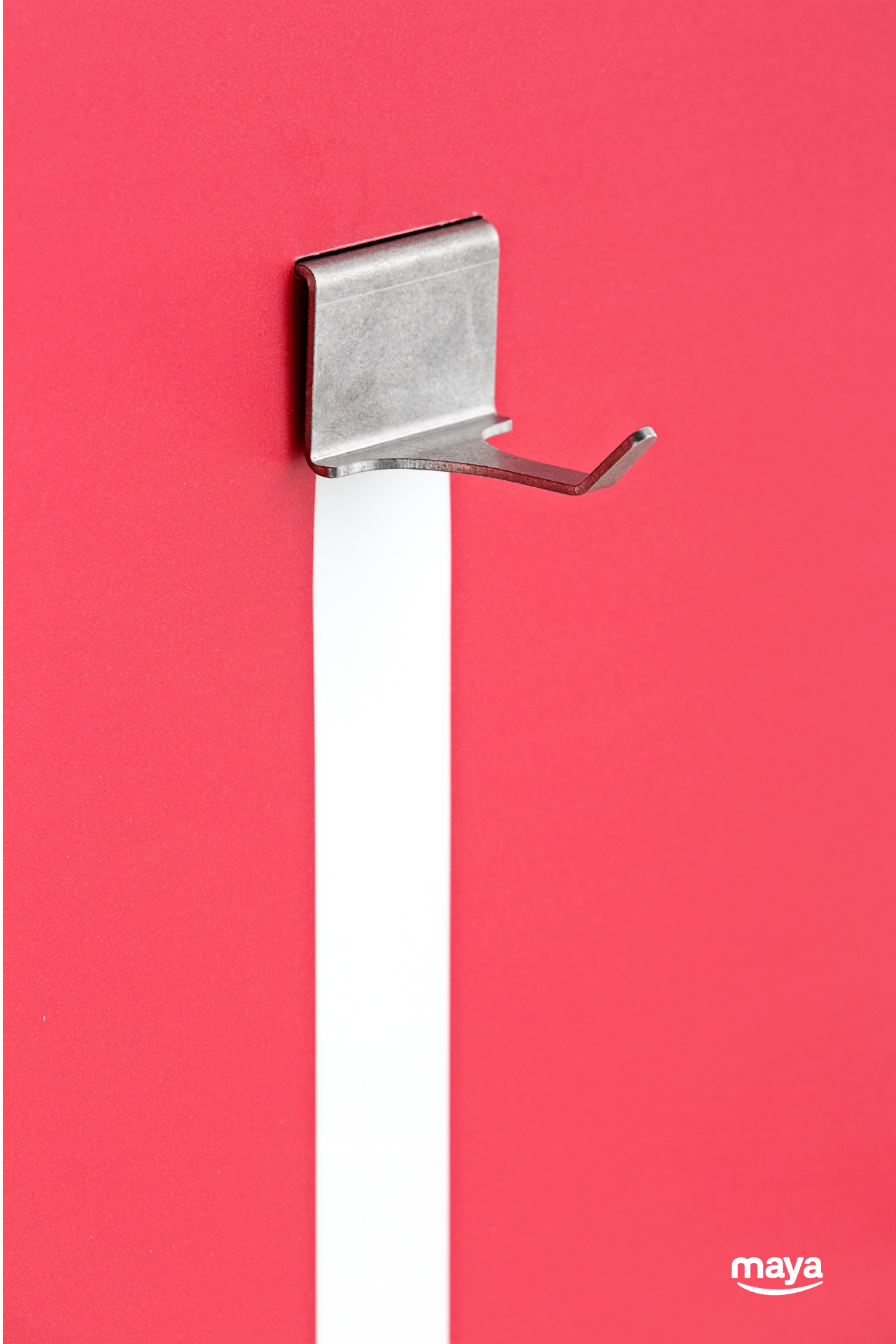
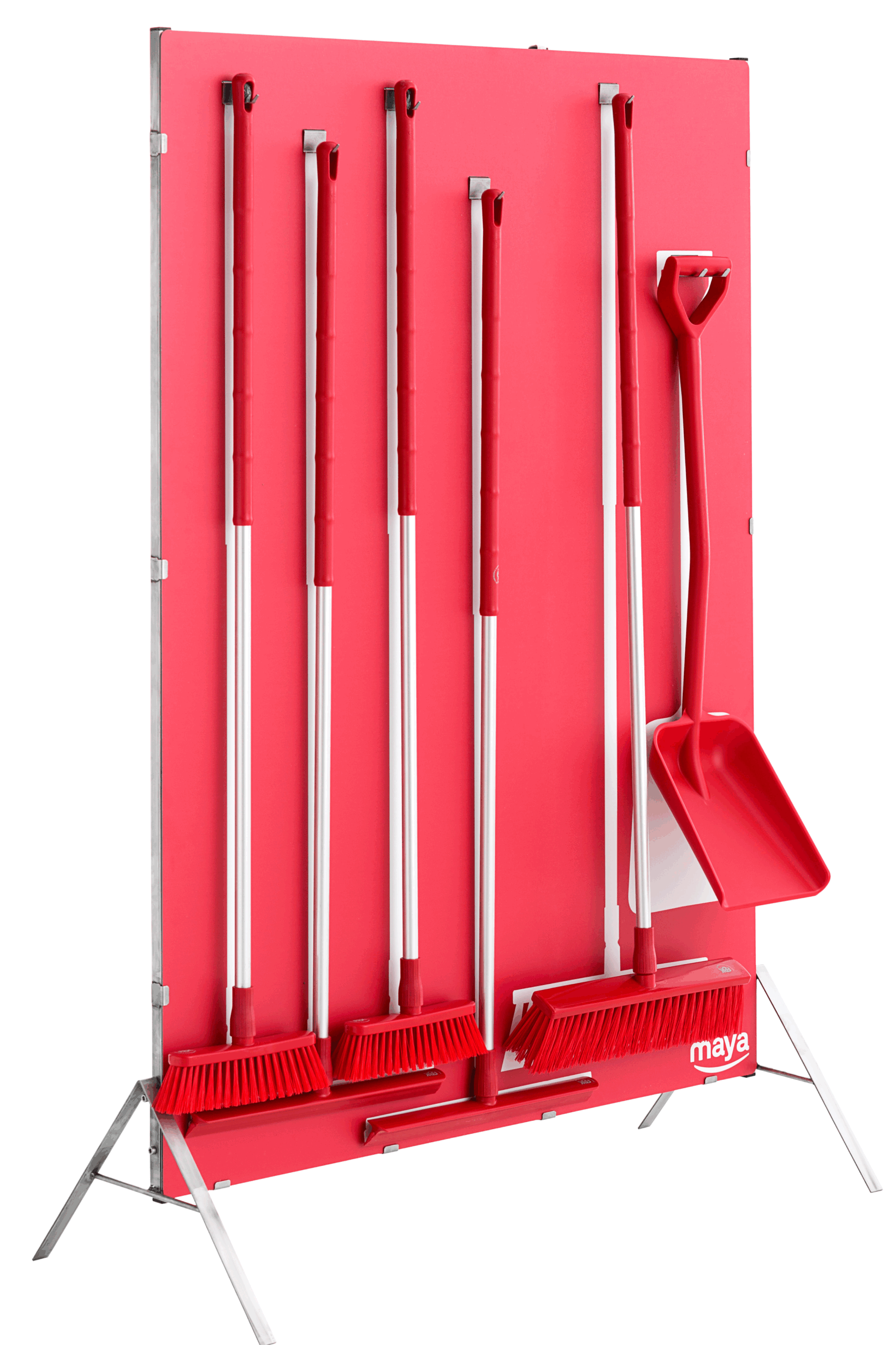
An example: without coding, it may go unnoticed that a bucket from a low-risk area ends up in a high-risk area. With coding, a blue brush hanging on an orange organisation panel would highlight an error.
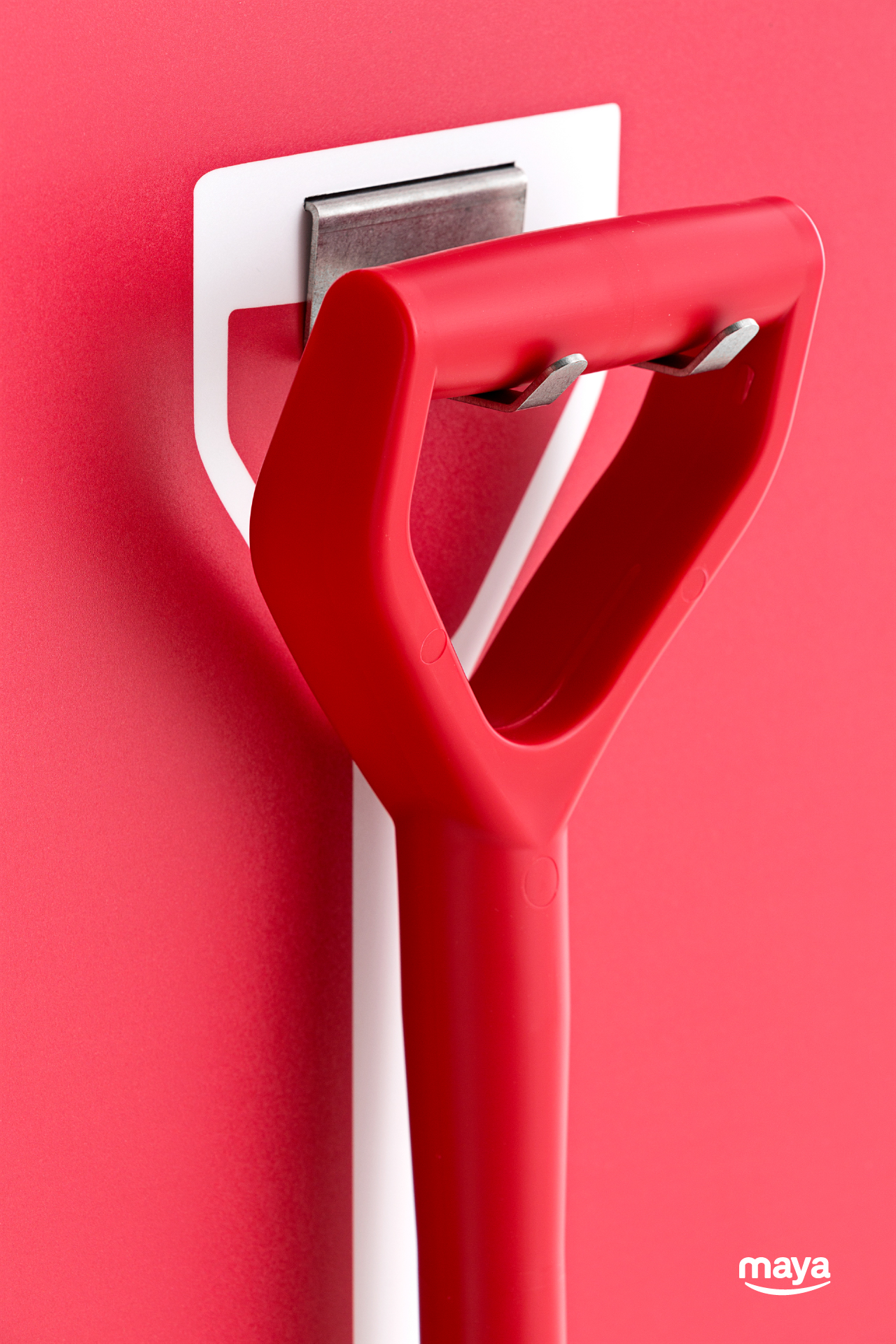
Another example: a green shovel in an area assigned to the colour white would immediately highlight an error, preventing it from going unnoticed.
2. Increased efficiency and productivity
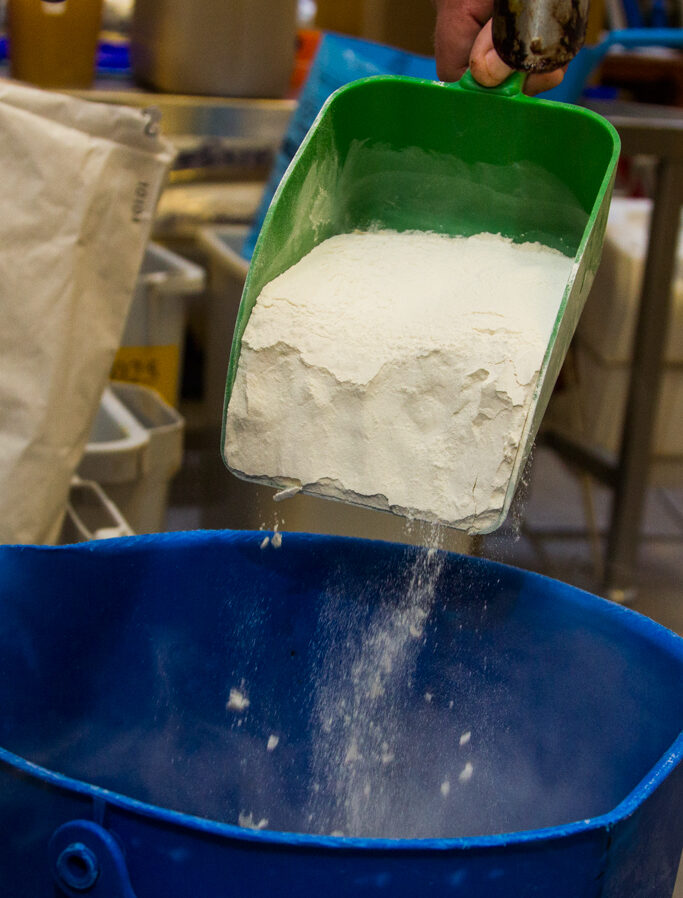
Colour-coded tools speed up tool identification, reducing search times and increasing productivity. They also facilitate internal inspections, as it is easier to detect damaged, misplaced or misplaced parts.
This allows problems to be solved before the shift starts and avoids unnecessary production downtime.
3. Improved hygiene and cleanliness
During cleaning shifts, especially at night, colour coding allows you to quickly identify which utensils to clean, where to use them and where to store them.
This prevents confusion, saves time and ensures that each tool is returned to its correct location, reinforcing hygiene in the plant.
4. Faster training and adaptation
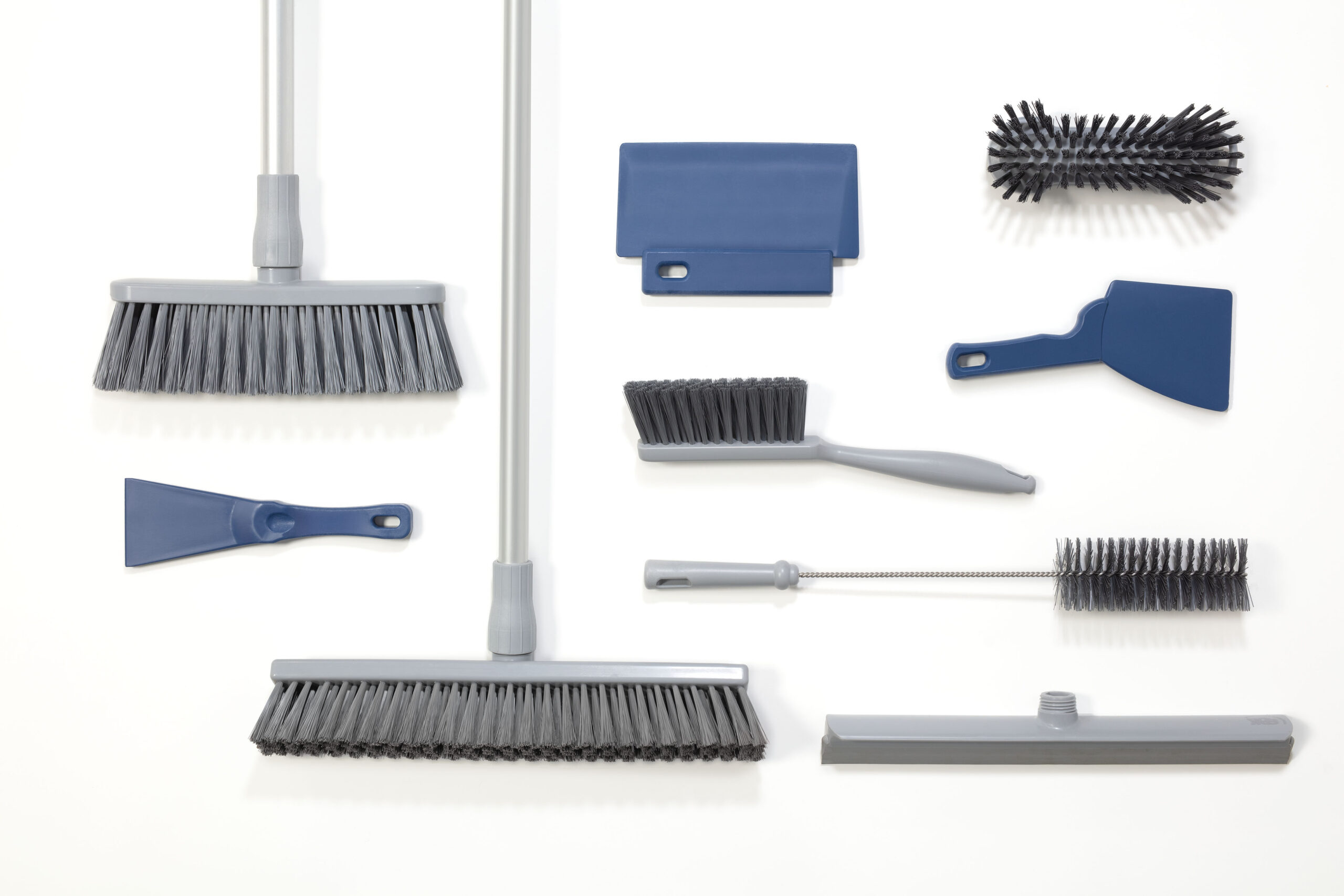
For new staff, colour coding acts as a constant visual reminder that helps them learn rules and processes faster.
This speeds up the onboarding process and reduces the need for supervision, fostering a culture of responsibility, good practices and food safety among the entire team.
5. Optimal preparation for audits
In food safety audits, segregation of areas and allergen control are critical aspects.
A well-implemented colour-coded utensil system provides a visual indicator of regulatory compliance, conveying professionalism and commitment to quality to the auditor.
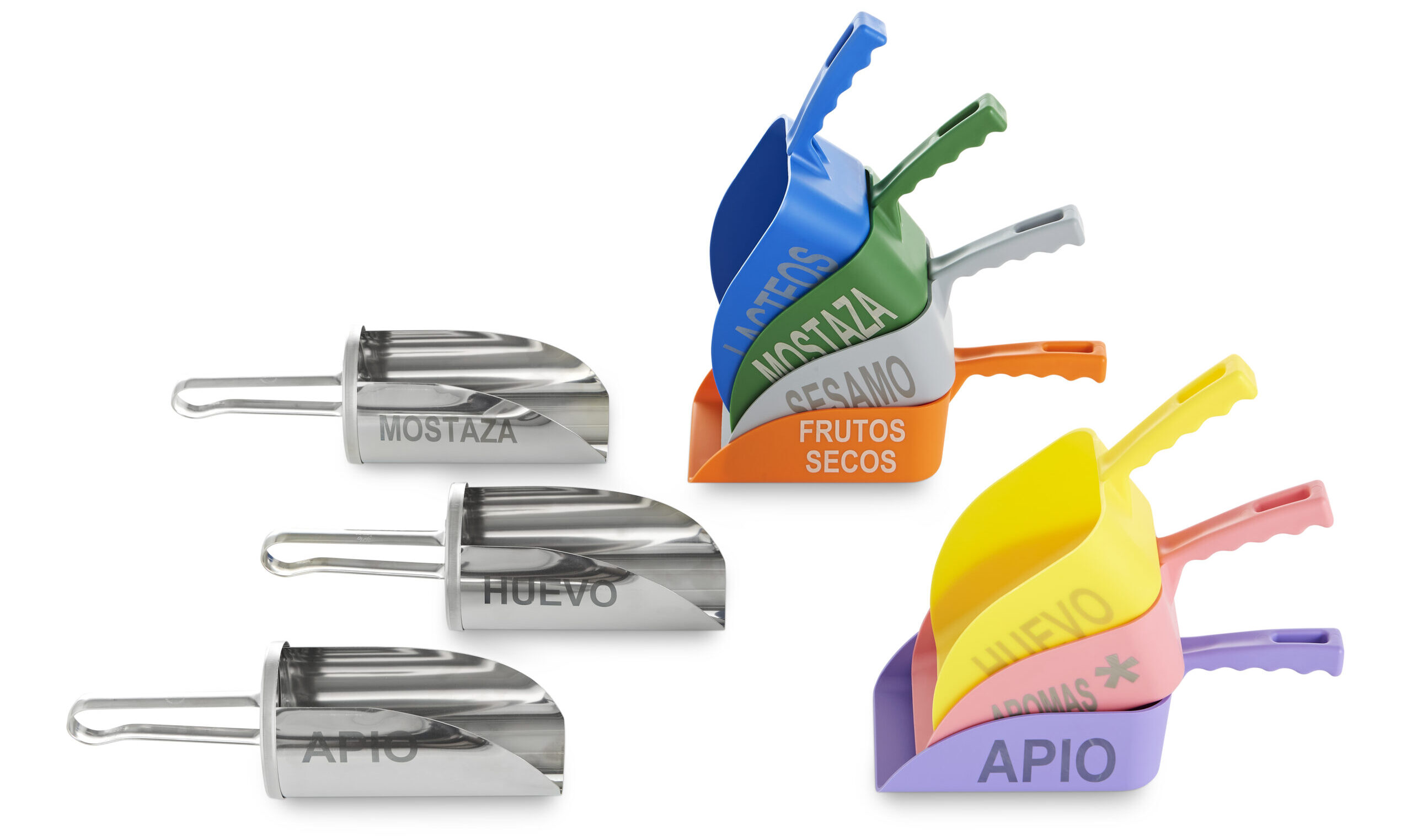
6. Greater traceability in incidents
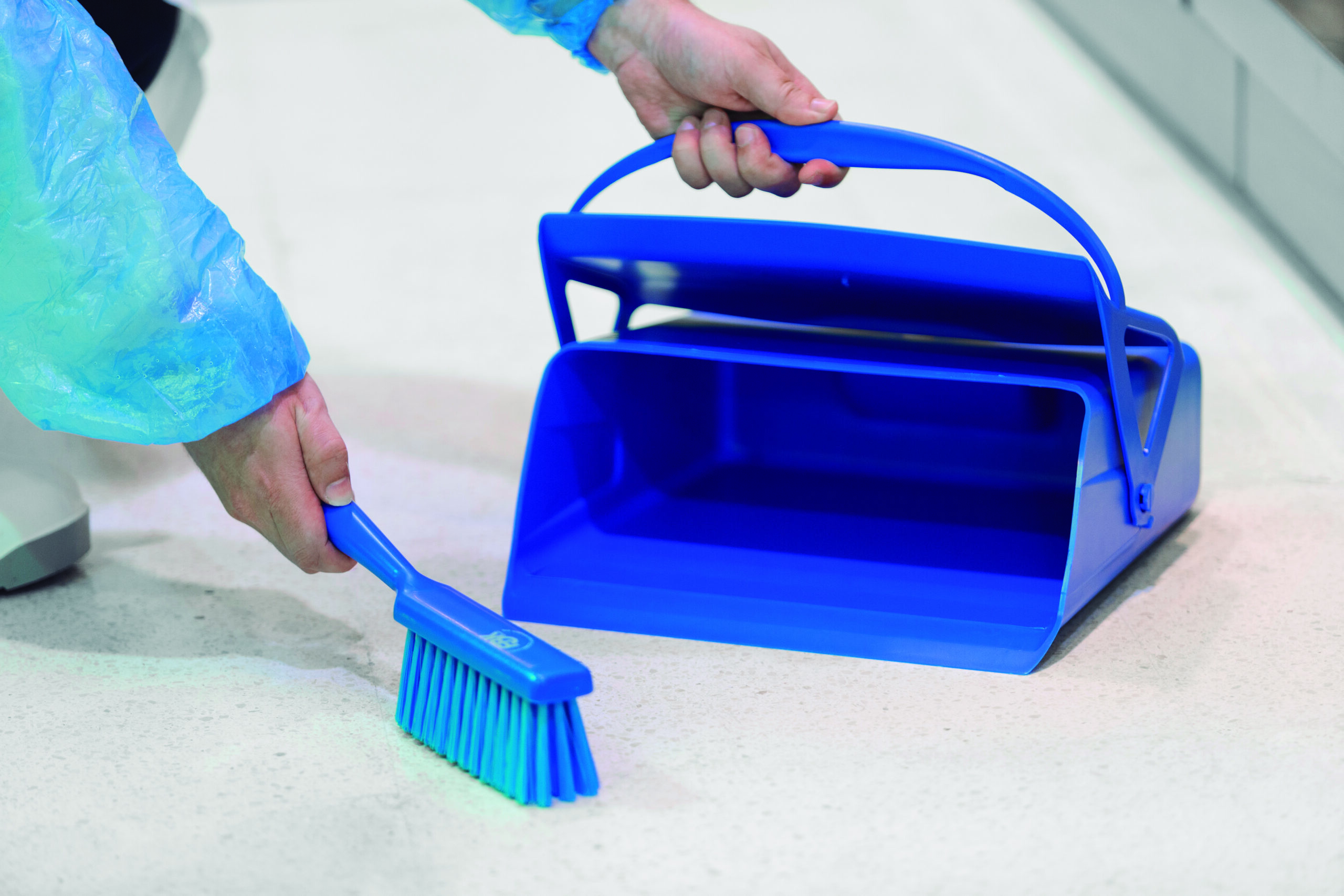
If a foreign object, handling error or possible cross-contamination is detected, the colours allow you to quickly trace the stage of the process where the incident may have occurred.
This speeds up response times and minimises risks in food traceability. It also applies to incidents involving allergens or bacteria, as you can immediately verify whether a piece of equipment has left its assigned area or been used incorrectly.
Colour coding in the food industry is not just aesthetic: it is a direct investment in safety, efficiency and regulatory compliance.
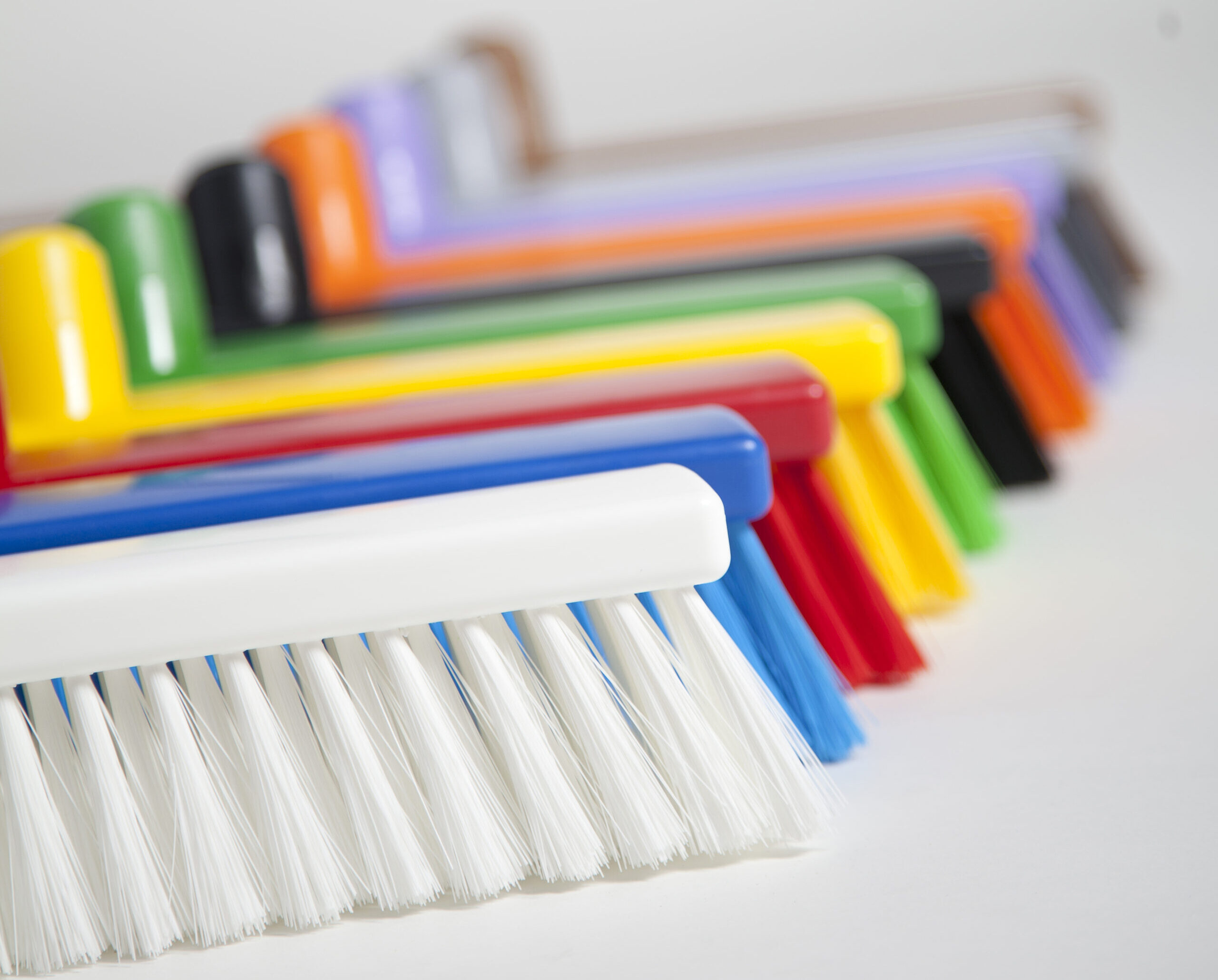
At Grupo Maya, we have cleaning tools in up to 11 different colours, adapting the system to the specific needs of each plant or production line.
Would you like to know how to implement a colour coding system tailored to your business? Contact us for a no-obligation consultation by calling 962 389 059 or writing to info@grupomaya.es.
We will be delighted to help you!